
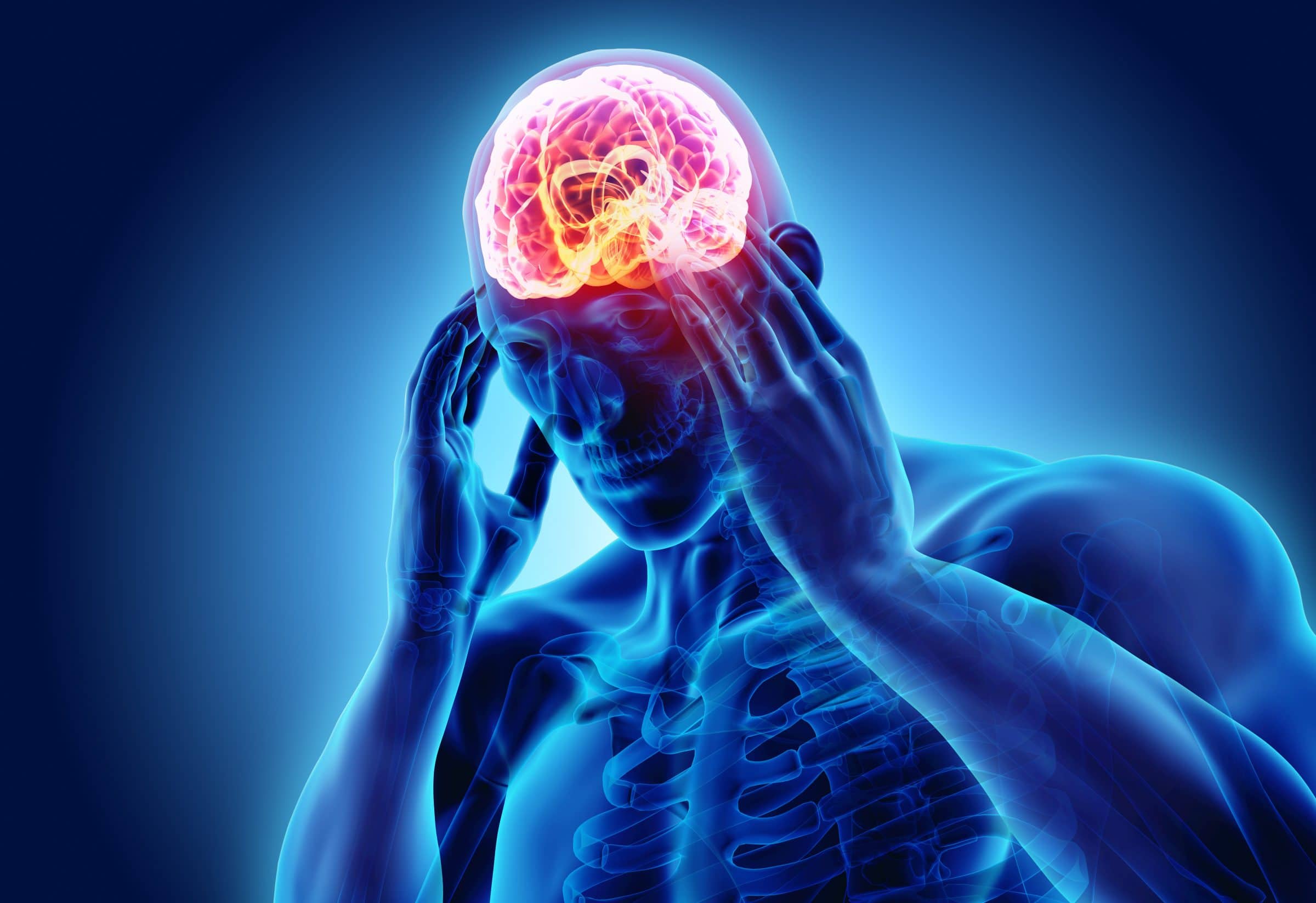
You don't have to just "live with it." At Mir Neurology, our board-certified neurologists diagnose the cause of your headaches and build a treatment plan — including Botox for chronic migraine and modern preventive therapies — to reduce their frequency and severity, for patients across Western Maryland, the Eastern Panhandle of West Virginia, and South-Central Pennsylvania.
Request an Appointment or call (301) 797-7600.
Seek emergency care: Call 911 for a thunderclap headache — a sudden, severe headache that peaks within seconds, or the worst headache of your life. Also seek urgent care for a headache with fever and stiff neck, confusion, weakness, vision loss, trouble speaking, or one that follows a head injury.
Migraine vs. Headache: What's the Difference?
Not all headaches are the same, and the difference matters for treatment. A migraine is a neurological condition — not just a bad headache — with its own biology and its own treatments.
| Type | Pain & location | Duration | Other symptoms |
|---|---|---|---|
| Tension headache | Dull, tight, band-like pressure on both sides | 30 minutes to several days | Usually no nausea; mild sensitivity at most |
| Migraine | Moderate-to-severe throbbing, often one-sided | 4–72 hours | Nausea, vomiting, light/sound/smell sensitivity, sometimes aura |
| Cluster headache | Excruciating, piercing pain around one eye | 15 minutes to 3 hours, in cyclical clusters | Watery eye, runny nose, restlessness on the affected side |
Getting the diagnosis right is the first step to real relief — treatment for a migraine is very different from treatment for a tension or cluster headache.
Types of Migraine
Migraines come in several forms, and identifying yours guides treatment.
Migraine With Aura
Preceded by visual or sensory warning signs, such as flashing lights, blind spots, or tingling.
Migraine Without Aura
The most common type of migraine.
Ocular / Retinal Migraine
Temporary vision changes or vision loss in one eye.
Vestibular Migraine
Migraine that causes vertigo and dizziness, sometimes without head pain. See our Dizziness & Vertigo page.
Hemiplegic Migraine
A rare type that causes temporary weakness on one side and can mimic a stroke.
Chronic Migraine
Headaches on 15 or more days per month — often treatable with Botox.
Types of Headaches
Headaches are grouped as primary, where the headache itself is the condition, or secondary, where the headache is caused by another problem.
Primary headaches include:
- Tension headaches — dull, tight, band-like pressure around the head
- Migraines — moderate-to-severe, often one-sided, throbbing pain with nausea and light/sound sensitivity
- Cluster headaches — excruciating pain around one eye, occurring in cyclical clusters
Secondary headaches may be caused by sinus infection, medication overuse, neck problems, high blood pressure, or, rarely, a serious condition — which is why an accurate diagnosis matters.
Migraine Symptoms and Phases
A migraine often unfolds in phases, though not everyone experiences all of them:
- Prodrome — mood changes, food cravings, or neck stiffness hours to a day before
- Aura — visual or sensory disturbances in some people
- Attack — throbbing pain, nausea, and sensitivity to light, sound, and smell
- Postdrome — a "migraine hangover" of fatigue and difficulty concentrating
What Triggers Migraines and Headaches?
Common triggers include:
- Stress and anxiety
- Lack of sleep or changes in sleep
- Skipped meals and dehydration
- Certain foods and alcohol
- Caffeine — too much, or withdrawal
- Hormonal changes
- Weather and barometric pressure changes
- Bright lights, strong smells, and screen time
- Medication overuse, which can cause rebound headaches
Identifying your personal triggers — often with a simple headache diary — is one of the most effective parts of prevention.
When Are Headaches Serious?
Most headaches are not dangerous, but certain features warrant prompt evaluation. See a neurologist if you have:
- Headaches that are getting more frequent or more severe
- Headaches that don't respond to usual treatment
- A new type of headache, especially after age 50
- Headaches that interfere with work, school, or daily life
- Headaches accompanied by other neurological symptoms
How We Diagnose Headaches and Migraines
Diagnosis is based on a careful evaluation to identify the headache type and rule out other causes. It may include:
- A detailed history — your headache pattern, triggers, symptoms, and family history
- A neurological exam
- A headache diary to track patterns and treatment response
- Imaging, such as MRI or CT, when needed to rule out secondary causes
Migraine and Headache Treatment
The goal is to treat attacks effectively and reduce how often they happen. Care is tailored to your headache type.
| Treatment type | What it does | Best for |
|---|---|---|
| Acute / rescue treatment | Stops a migraine or headache once it starts | Occasional attacks |
| Preventive medication | Taken regularly to reduce how often headaches occur and how severe they are | Frequent or disabling headaches |
| Botox for chronic migraine | FDA-approved preventive injected in-office every 12 weeks | Chronic migraine (15+ headache days a month) |
| CGRP therapies | Newer targeted preventive and acute migraine treatments | Migraine not well controlled by older options |
| Trigger & lifestyle management | Reduces attacks by addressing sleep, hydration, stress, and diet | All patients |
Many people who thought they'd never get relief find that the right plan dramatically improves their quality of life.
Botox for Chronic Migraine
If you have headaches on 15 or more days a month, you may have chronic migraine — and Botox is one of the most effective preventive treatments available. It's FDA-approved, injected in our office every 12 weeks, and covered by most insurance plans for chronic migraine.
Do you qualify for Botox for chronic migraine?
You may be a candidate if:
- You have headaches on 15 or more days per month
- Your headaches often last 4 hours or longer
- Other preventive treatments haven't given you enough relief
What to Expect at Your First Headache Visit
- Share your headache history
Tell us your headache pattern, symptoms, triggers, and what treatments you've tried. A headache diary — dates, severity, and possible triggers — is very helpful if you can bring one.
- Neurological exam
A focused exam to assess your nervous system and look for any red flags.
- Diagnosis
We identify your specific headache type and rule out secondary causes, ordering MRI or other imaging only if it's needed.
- Your personalized plan
We build a plan combining acute (rescue) treatment with preventive strategies — which may include Botox, CGRP therapies, or trigger management — matched to your headache type.
- Follow-up
We track your response over time and fine-tune the plan until your headaches are well controlled.
Why Choose Mir Neurology?
Board-Certified Neurologists
Specialist headache care with 20+ years of experience.
Full Headache Expertise
Evaluation and treatment across all headache and migraine types.
Advanced Treatments
Botox for chronic migraine, CGRP therapies, and modern preventive options.
Local & Insurance-Friendly
Two convenient locations in Cumberland and Hagerstown, with most major insurance plans accepted.
What Our Patients Say
Mir Neurology is one of the most reviewed neurology practices in the region, rated 4.6★ across 200+ Google reviews.
"Extremely impressed with Dr. Mir and his staff. He is so thorough, considerate and knowledgeable. I am beyond thankful for the time he spent with me to determine and treat the cause of my pain. There aren't many Doctors like him out there any longer. A+++"
"Dr. Khan is very kind. He takes his time with each patient and really listens. I highly recommend."
Serving Western Maryland & the Tri-State Area
We treat headaches and migraines for patients across the region — without long drives to Baltimore, Pittsburgh, or D.C.
Maryland
Cumberland, Hagerstown, LaVale, Frostburg, Cresaptown, Hancock, Williamsport, Smithsburg, Boonsboro
West Virginia
Martinsburg, Keyser, Romney, Berkeley Springs, Paw Paw
Pennsylvania
Waynesboro, Greencastle, Chambersburg, Mercersburg
Cumberland office: 924 Seton Dr Suite C, Cumberland, MD 21502 — Mon–Sat, 7:30 AM – 4:30 PM
Hagerstown office: 11110 Medical Campus Rd Unit 151, Hagerstown, MD 21742 — Mon–Fri, 7:30 AM – 5:00 PM
Frequently Asked Questions
What's the difference between a migraine and a headache?
A headache is pain in the head. A migraine is a neurological condition causing moderate-to-severe, often one-sided throbbing pain with symptoms like nausea and light/sound sensitivity, sometimes with aura.
When should I see a neurologist for headaches?
If headaches are frequent, severe, worsening, unresponsive to usual treatment, new after age 50, or come with other neurological symptoms. Seek emergency care for a sudden "thunderclap" headache.
Does Botox really help migraines?
Yes. Botox is an FDA-approved preventive treatment for chronic migraine (15 or more headache days a month) and can significantly reduce headache days for many people. See our Botox for migraine page.
What is chronic migraine?
Chronic migraine means having headaches on 15 or more days per month, with at least 8 of those having migraine features, for more than three months. It's one of the conditions Botox is approved to treat.
What is a migraine with aura?
Aura refers to warning symptoms before or during a migraine — usually visual (flashing lights, blind spots) or sensory (tingling) — that typically last a few minutes to an hour.
What is a vestibular migraine?
A type of migraine that causes vertigo, dizziness, and balance problems, sometimes with little or no head pain. It's a common and treatable cause of recurrent dizziness.
What are the most common headache triggers?
Stress, poor sleep, skipped meals, dehydration, certain foods and alcohol, caffeine, hormonal changes, weather changes, and medication overuse.
Are migraines hereditary?
Often, yes — migraines frequently run in families, which is why we ask about your family history during your evaluation.
What is a medication-overuse (rebound) headache?
Frequent use of acute pain or migraine medication can paradoxically cause more headaches. Part of treatment is recognizing this pattern and building a better long-term plan.
Do I need an MRI for my headaches?
Not always. Most headaches are diagnosed from your history and exam. Imaging is ordered when there are warning signs or to rule out a secondary cause.
What newer migraine treatments are available?
CGRP-targeted therapies are modern preventive and acute options that have expanded what's possible for people whose migraines weren't controlled by older treatments.
Can migraines be cured?
There's no cure, but migraines can be very effectively managed. The right combination of acute treatment, preventive therapy, and trigger management can dramatically reduce their frequency and impact.
Tired of Living With Headaches or Migraines?
Mir Neurology offers expert headache and migraine care — including Botox for chronic migraine — in Cumberland and Hagerstown.
Request an appointment | (301) 797-7600
This page is for general education and is not a substitute for professional medical advice, diagnosis, or treatment. Always seek the guidance of a qualified healthcare provider with questions about a medical condition. If you think you or someone else may be having a medical emergency, call 911.